The Audi RS3 Sportback is technically impressive, but lacks dynamic character
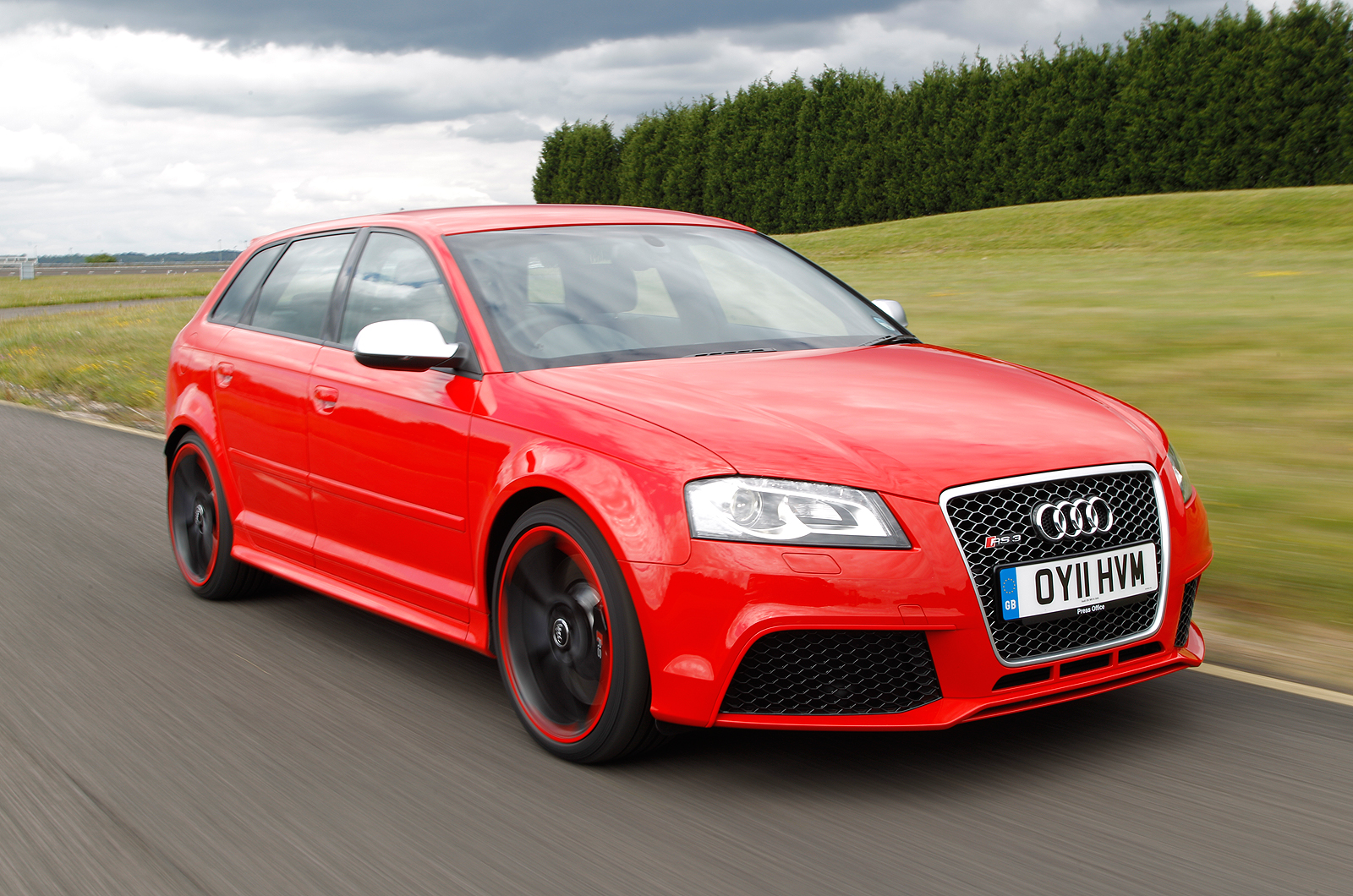
The Audi RS3 Sportback is Ingolstadt's hottest hatchback
Built by Porsche, under the same roof as the 959 supercar and Mercedes-Benz’s 500E super-saloon, it was one of the first performance wagons in the The first RS4, a car of similar size, was disappointing; the second was available only as a saloon. Now, seemingly almost by accident – because it's a farewell to the humble A3, a car which has rarely excited keen drivers – Audi performance arm Quattro GmbH has developed a fast, compact pseudo-estate with unmissable similarities to the Audi that Porsche built.Maybe it’s due to a lack of opportunity, or out of deference to the RS line’s founding father, but Audi has never built another car quite like the RS2.
There is less than 25bhp and 50kg of kerb weight separating the new RS3 Sportback and that RS2 Avant, yet Audi doesn’t mention the legendary old-timer once in the RS3’s marketing blurb. Which prompts the question: is this new car of insufficient calibre to deserve a mention on the same bill?
Vuaxhall Astra vxr

Nope. VXR is rather more straightforward: if you can stick a Vauxhallbadge on it, and it’s a little bit bonkers, it could just make the grade.

Outwardly, the Astra looks wild. It also seems like quite good value for money. And on paper it is sufficiently pokey to qualify as a true VXR, because it makes 276bhp. And if you think that’s quite a lot to be pushing through its front wheels, you wouldn’t be alone, which is why the VXR has a mechanical specification to back up the power and not inconsiderable 295lb ft of torque. Still, it sounds, to us, quite raucous.
The truth is that fast Vauxhalls in general, and fast Astras in particular, have always been a slightly unruly bunch. Not necessarily in a bad way, either. Traditionally they’re loud, quick and capable of entertaining on a shallow but enjoyable level. Is this VXR more of the same?
Renault Megane sport

Renault has savagely pruned its UK range, but it knows what it is good at and cars like the Renault Mégane Renaultsport 265 are safe.
The whole Renault Megane range has had a refresh with extra splashes of chrome or gloss black inside, and further mutants of the already mutant-looking nose now with strips of daytime LEDs. These form part of the 'F1 blade' on the Renaultsport models, which can also have a Red Design pack with red accents on the blade, the side strakes, the rear diffuser and the wheel rims.

That's how you might spot the latest Mégane Renaultsport, but more important is that the 261bhp previously restricted to the limited-run Trophy version is now on tap in the regular cars, now (metrically) known as Mégane Renaultsport 265. As usual there are Cup and normal versions, the latter costing an extra £1200 and featuring squashier seats, various superfluous gadgets and softer suspension.
Also as usual you can have the Cup chassis on your non-Cup, bringing a GKN torque-biasing differential (maximum torque-difference ratio 2.3 to one) as well as the firmer suspension with 35 per cent stiffer front springs, 38 per cent stiffer rear ones and an overall 15 per cent rise in roll stiffness. Red calipers for the Brembo brakes, too.
Those looking for something a little different can even opt for theMégane Renaultsport RB8, which features the Cup chassis, stickier tyres and some cosmetic tweaks.
Inside the Mégane Renaultsport you get supportive bucket seats, lots of sporty trimmings and kit that includes dual-zone climate control. Renault's R-Link infotainment system with sat-nav is also available as an option, among others like a tyre pressure monitoring system.
But the key thing is the enhanced engine. You have to press the ESP button to switch it from the former 247bhp default position to the new 261bhp, simultaneously loosening the ESP strictures. Keep it pressed and all traction and stability aids are extinguished and the Megane 265's true character can show through.
Some cars get a bit unruly when the electronics are off, suggesting the systems have a bit of a sticking-plaster role. Not so the 265. On the fast-but-technical Monte Blanco circuit the Cup proved as friendly as a 2.0-litre hatchback able to hit just shy of 160mph can be, tucking in beautifully as you come off the brakes and turn, drifting all-of-a-piece if the entry speed was too ambitious, nailing the torque to the road as you spear towards the exit and the diff does its stuff.
It's the sort of car that helps you out, waits for you to act, works with you without imposing an agenda. And it's mighty rapid: the 250 could feel curiously flat and undramatic, especially after the old-generation R26, but the bite and the brilliant torque spread are right back in the 265 along with the deep, granular exhaust note overlaid with the whoosh of expelled air plus some upshift pops and bangs for good measure. The almost-racing Recaros and the optional telemetry system add to the drama, too.
We didn't get to drive the Cup on the road, but we did try the regular 265 which still has the same non-steering front struts with separate hub carriers steering on an outboard axis. It's meant to reduce torque steer, but such are the forces involved that there's still some gentle tugging.
It's all part of the 265's talkative nature, which goes well with the explosive overtaking ability and the way this car rewards gentle, delicate, measured inputs. I reckon the non-Cup chassis is just fine for road use, firm but never harsh, ultra-responsive, always rewarding, and on dry roads you don't really miss the clever differential.
Either way, the Renault Mégane Renaultsport 265 is one of the truly great hot hatches. Even if Renault does call it a coupé.
Subaru WRX sti
The Subaru STi is fast, grippy and offers immense value
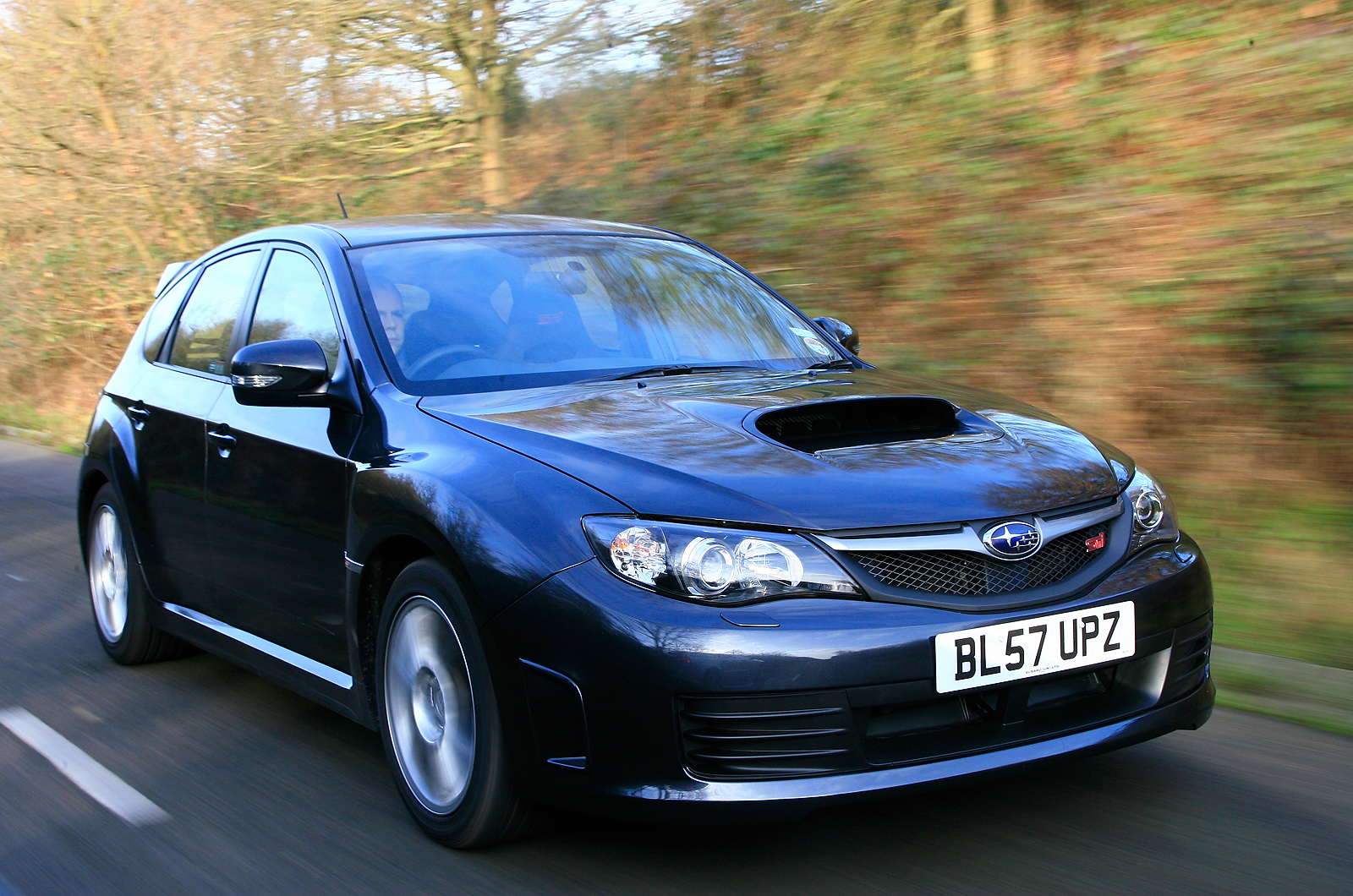
The hot hatch had had its day, and now it was time for the Playstation generation to have its say. Technology had never been more affordable: when the Impreza Turbo was introduced it cost just £17,999 despite its forced induction and all-wheel drive hardwear, which was almost £20,000 less than the Porsche 968.

But you could fit all your family in the Impreza, their luggage in the boot and still dust the Porker away from the lights.
But all that was a very long time ago – 1994 to be precise - and while Subaru have thrown at least 15 different variations on the original theme at the market since then and despite the collusion of Mitsubishi and its largely epic Evolution models, the invasion never came. To this day the Impreza, renamed the WRX STi since 2010 is what it always was: a niche player. Question is, is it still any good?
The WRX STI is available for £28k. If more power is required, the STi can be turned into the 335bhp 340R model for just £1699.
Volkswagen scirocco
Golf-based coupe comes at a surprisingly tempting price
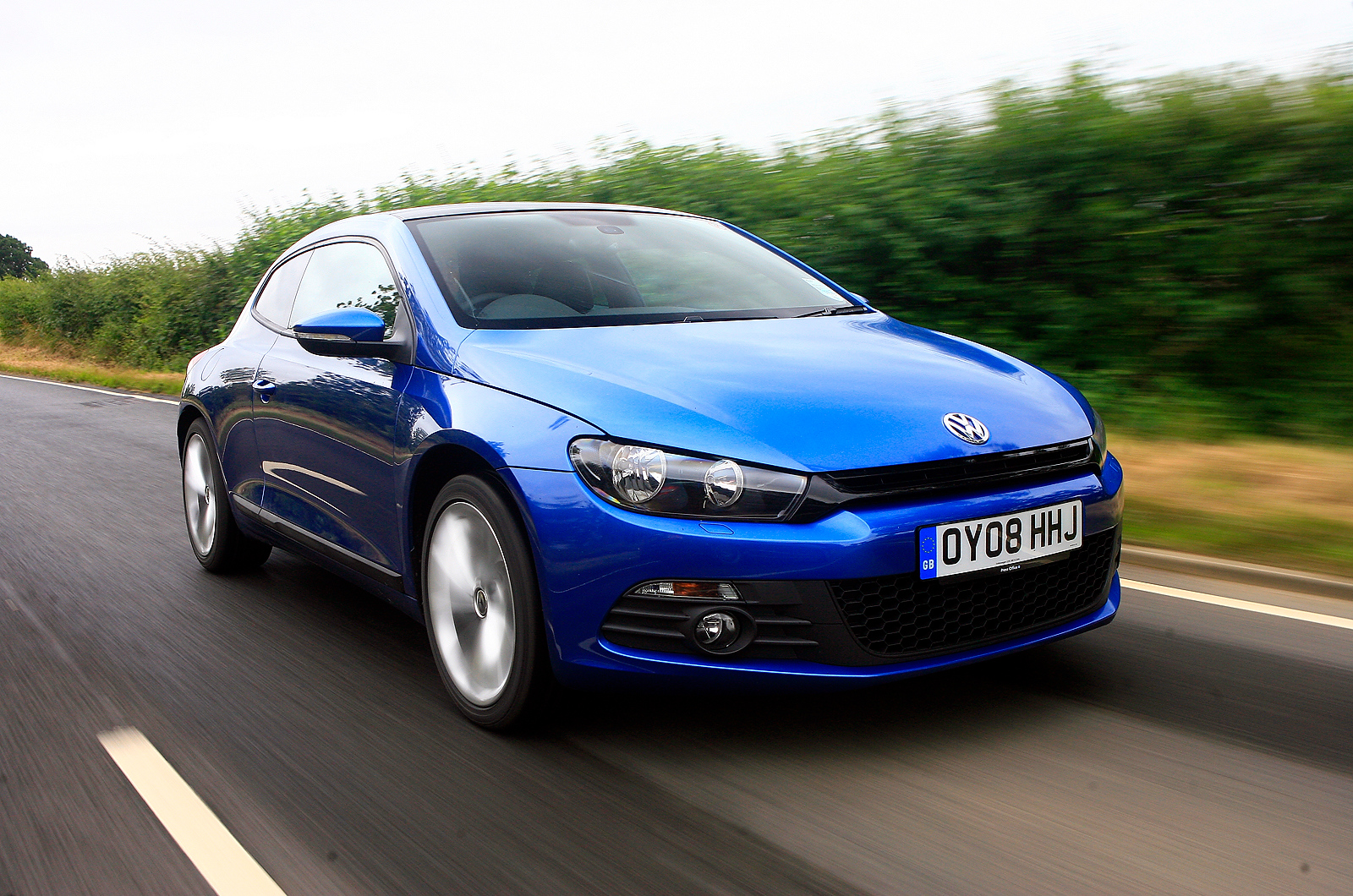
The original 1974 Volkswagen Scirocco was a replacement for the Karmann Ghia and, setting the template for all future Sciroccos, was underpinned by Golf mechanicals – amazingly, some versions had as little as 60bhp. A Mk2 Scirocco replaced it in 1982, later variants of which shared the Golf GTI’s 1.8 16v engine. The Scirocco was replaced by the Corrado in 1992, but the 2006 IROC concept previewed the Scirocco’s return, with production starting in 2008.
Again Golf based, but with the promise of far sleeker looks and a sporty driving experience, the latest VW Scirocco is intended to inject the VW range with some desirability. VW's have long been known as much for how little they do wrong, as much for how they do right - the Scirocco is set to shift that balance by offering a tempting package at a surprisingly affordable price tag.

The new Scirocco range features a broad choice of four-cylinder engines, ranging from two turbocharged versions of the VW group 1.4, two 2.0-litre petrols and a 2.0-litre TDI offered with 138 or 168bhp. There’s a base trim level (although it’s nicely equipped), GT models and, as with the Golf, a range-topping R model. Unlike Volkswagen’s previous R models (such as the Golf R32), it uses a four-cylinder turbo engine rather than a V6. That means the drivetrain layout is more similar to the models that spawn it – in this case the regular Scirocco GT 2.0 TSI – than was previously the case.
Fiat 500
The Fiat 500 is a deserved success story for the brand, offering bags of style, a fine drive and low costs
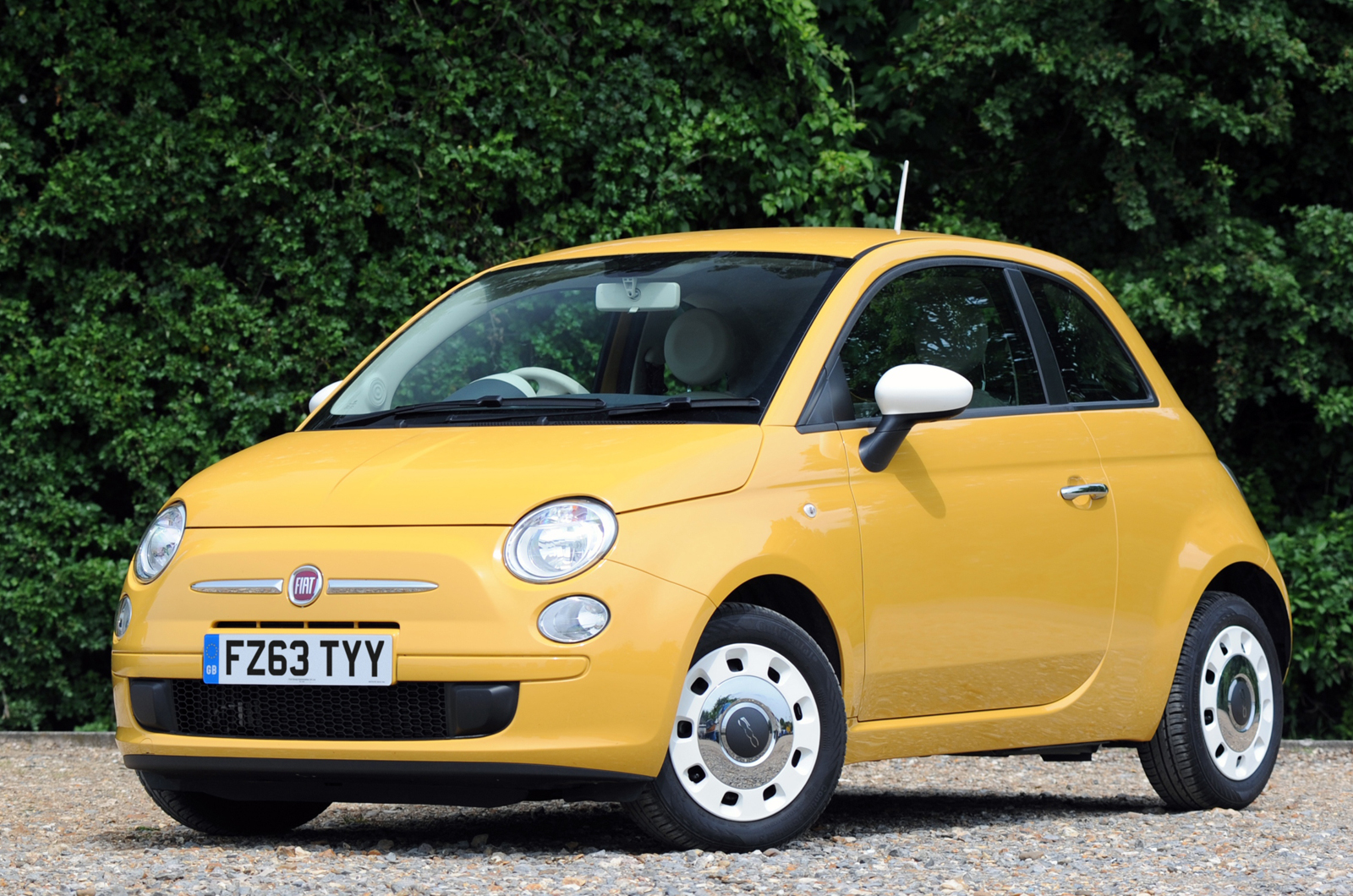
First the Volkswagen Beetle, then the Mini and now the Fiat 500. With all, the script is the same: a small, cheap, utilitarian car that became iconic through its engineering purity and brilliance. Years later, the model is relaunched as a heavily styled object, with the emphasis on premium build and desirability.The original Nova 500 was so basic that it was conceived partly as an alternative to a scooter. There was one engine option and it had just two seats (at launch), plus suicide doors. By comparison, pour over the options list of the latest 500 and you’ll find up to 549,396 different ways of specifying the car.But despite the obvious emphasis on novelty and design with this type of car, done properly the appeal need not necessarily subside. Because it’s solidly built and great to drive, the 500 has morphed successfully into a second-generation car.First shown in 2007, 50 years after the launch of the Cinquecento that inspired it, the 500 has proved a hit for Fiat, pulling in sales and hugely improving the brand’s image. But don't think this car is all about retro - the TwinAir version is easily the most mechanically radical member in the line-up, its two-cylinder motor introducing Fiat’s acclaimed MultiAir valve system in the 500 for the first time.In terms of pricing Fiat is pitching the TwinAir above the 1.2-litre, four-cylinder model and fractionally beneath the more sensible-feeling 1.4. Even more expensive is the 1.3 Multijet diesel version. At the top of the range is the Abarth, which features a bespoke front end and 1.4-litre turbo engine.All engine variants and trim levels can also be had as a convertible, but command a significant premium over their tin-top equivalents.So, is the new 500 more than style over substance?
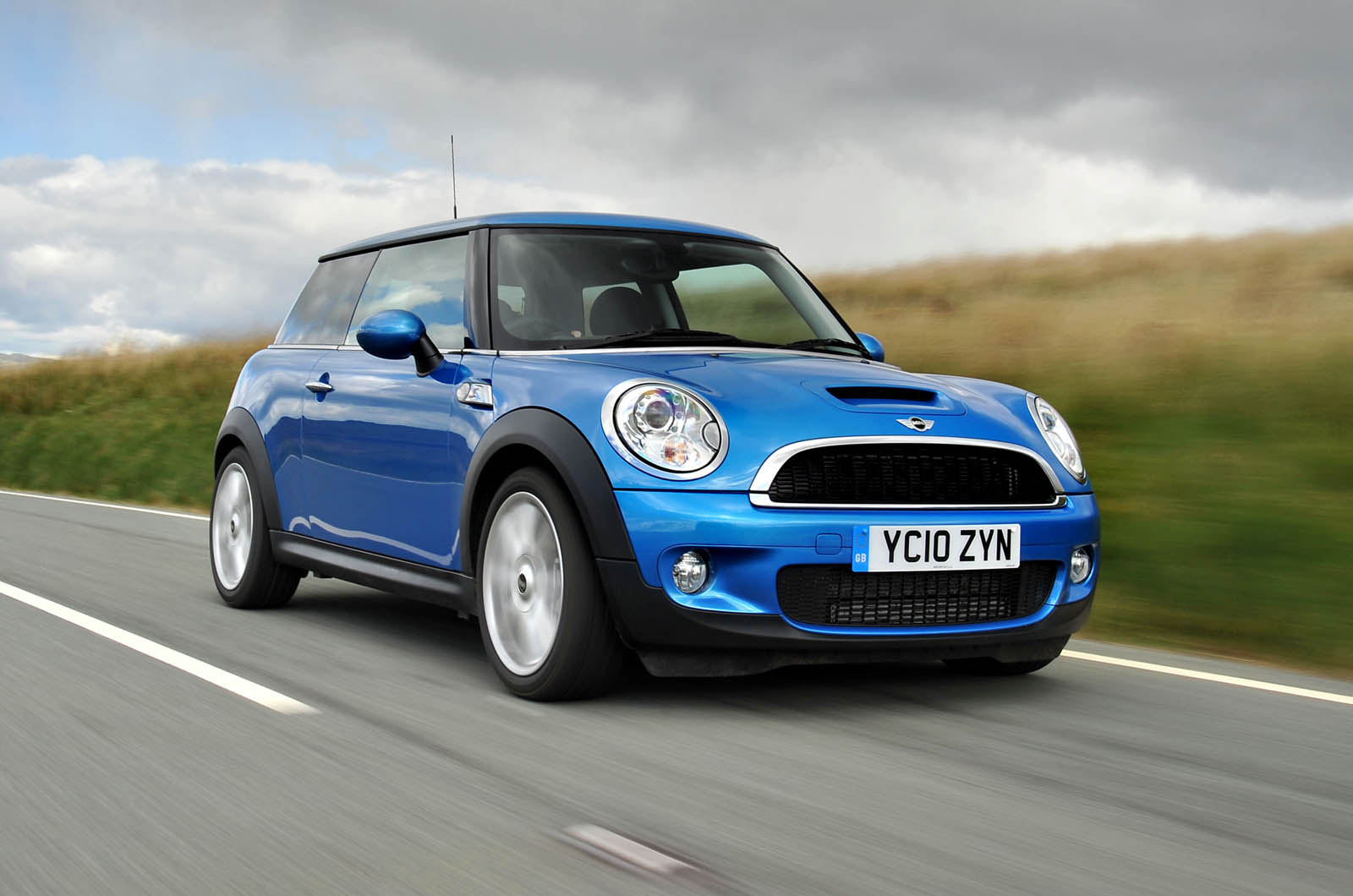
Mini Cooper S
Revised engine brings useful performance and economy gains

No comments:
Post a Comment